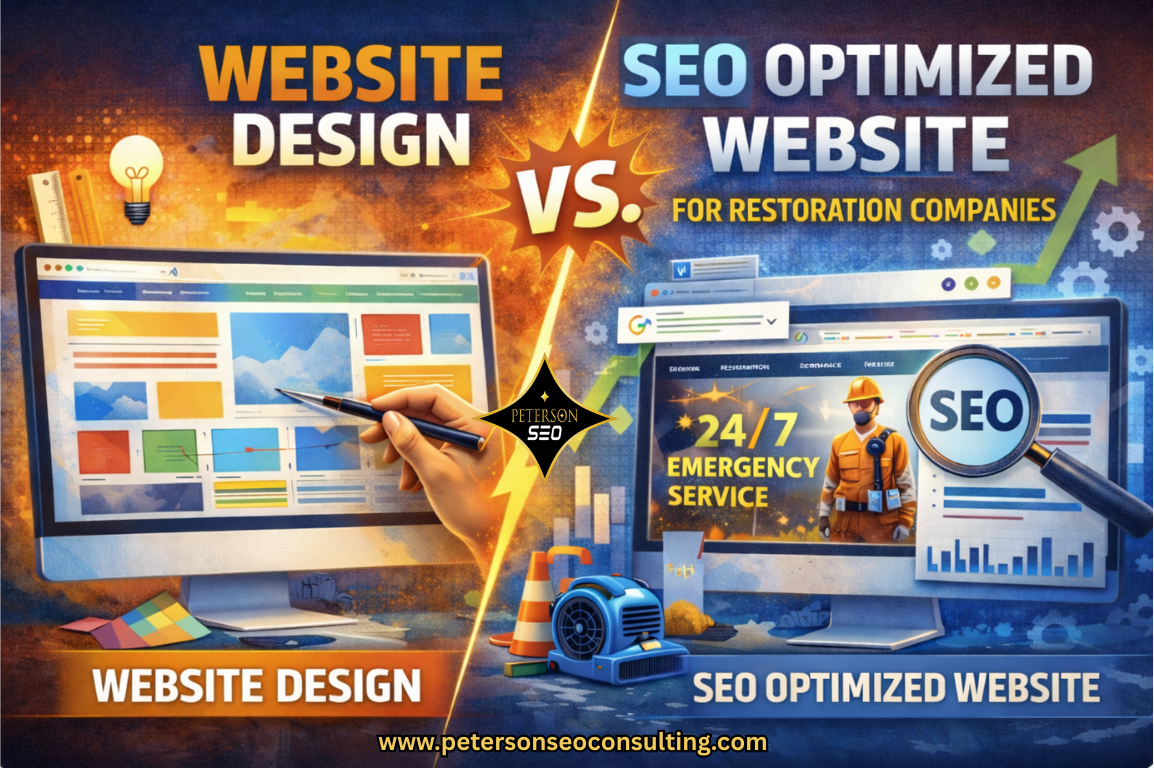
Website Design vs. SEO Optimized Website for Restoration Companies
January 7, 2026 | Peterson SEO | Chico, CA | Albuquerque, NM | USA
A lot of restoration owners learn this lesson the hard way. They pay thousands of dollars for a beautiful website that launches on time, and everyone on the team feels proud of it. Then the phones stay quiet, the inbox stays empty, and the only traffic looks like your own staff clicking the link to admire the new homepage. It is incredibly frustrating because the site looks professional, and you did exactly what you were told to do. You built a website, checked the box, and waited for the leads that never came.
Here is the problem that most agencies will not tell you. A website can be perfectly designed and still be practically invisible to the people in your town who actually need help. Website design is about how your site looks and feels. That matters for trust once a person arrives. SEO is about how your site gets found by local strangers with a credit card and a crisis. For emergency services, that difference is not just academic. It is the difference between a steady stream of water damage calls and weeks of relying on low-margin insurance program work just to keep the lights on.
What is the Difference Between Website Design and an SEO Optimized Website?
The difference between website design and an SEO-optimized website is the difference between appearance and infrastructure. Website design focuses on visuals, layout, branding, colors, and user experience to ensure the business looks credible to a human visitor. An SEO-optimized website is built from the ground up to earn visibility in search engines, attract strangers with specific local problems, and turn those visitors into leads.
It is important to note that while most website designers may have a basic understanding of SEO, they are rarely capable of the full gamut of technical SEO requirements needed to rank in a competitive market. They might install a plugin and fill in some title tags, but that is surface-level work. In contrast, a true SEO Expert handles all the design elements that a designer does but builds the site on a foundation of technical architecture, keyword intent mapping, content strategy, and AEO (Answer Engine Optimization). A designer builds a car that looks good. An SEO expert builds a car that looks good and has the engine to actually drive you to your destination.
The "Generalist" Trap: Why Standard SEO Fails in Restoration
Many contractors think that hiring any "SEO Expert" is enough. They hire an agency that does SEO for dentists, lawyers, and flower shops, assuming the strategy is the same. This is a massive mistake. A generalist SEO expert will often apply a one-size-fits-all strategy that fails in the restoration industry for three specific reasons.
1. They Target the Wrong Intent
A generalist sees "water damage" and optimizes for high-volume keywords. They might get you ranked for "how to fix a leak" or "what is water damage," which are national informational searches. You do not want people reading your blog for DIY tips. You want people searching "water extraction company near me" or "emergency flood cleanup [City Name]." A restoration specialist knows the difference between a "research" keyword and a "money" keyword.
2. They Chase Vanity Metrics (The National Traffic Trap)
At Peterson SEO, we see this constantly when meeting with new clients. An agency reports that "traffic is up 500%," but yet the clients phone is not ringing. When you dig into the analytics, you see that the traffic is coming from New York, Florida, and Texas, but the client is located in Seattle. Ranking nationally for a term like "mold remediation tips" does you absolutely no good. It inflates your report, but those people cannot hire you. In fact, it can hurt you because those users bounce off your site quickly when they realize you are not local, sending negative signals to search engines. You do not need the most traffic. You need the right local traffic.
3. They Don't Understand the Urgency
A generalist treats your site like a plumber or a roofer where people might browse for days. They build long, slow introductions. A restoration specialist knows that your customer is standing in three inches of water. The site structure needs to be different. The "Call Now" button and site CTA's need to be aggressive. The process explanation needs to be immediate. If your SEO team does not understand the psychology of panic, they will build a site that fails to convert the few visitors it actually gets.
The Reality of Local Traffic vs. National Traffic
Here is a statistic that changes how you look at marketing. 90% of people searching for restoration services do not know who you are. They are not typing in your company name. They are typing in the service they need, like "water damage cleanup" or "fire restoration near me."
If you rank nationally for these terms, you might get 10,000 visitors a month, but if 9,900 of them are outside your service area, they are useless. In fact, they are worse than useless because they skew your data. You might look at your analytics and think your marketing is working, so you invest more money, only to realize later that none of that traffic was ever going to convert.
An SEO-optimized website for restoration focuses entirely on Local Buyer Intent. This means:
- Optimizing for specific neighborhoods and suburbs, not just the main city.
- Creating content that references local landmarks, local weather patterns, and local housing types
- Using "Schema Markup" to tell search engines exactly where your service area borders end.
When you focus on local intent, your traffic numbers might go down, but your call volume will go up. That is the only metric that puts money in the bank.
The Cost Reality: Why SEO Sites Cost More
This is the conversation most contractors avoid, but we need to have it. There is almost always a significant cost difference between a standard brochure website and an SEO/AEO optimized build.
- A "Design-Only" Build: Usually costs less because it is often based on a visual template. The designer pastes in your text, adds your photos, and hits publish. The focus is on aesthetics. It is faster to build because there is no deep research phase. It is an expense because it takes money out of your pocket and sits there.
- An "SEO-First" Build: Costs more because it is a strategic asset. Before a single pixel is designed, the SEO team is researching your local market. They are analyzing your competitors. They are writing custom content for water, fire, and mold based on how homeowners in your specific city search and what your competitors are doing. They are structuring the code so search engines can crawl it easily. They are building a lead generation engine that puts money back into your pocket.
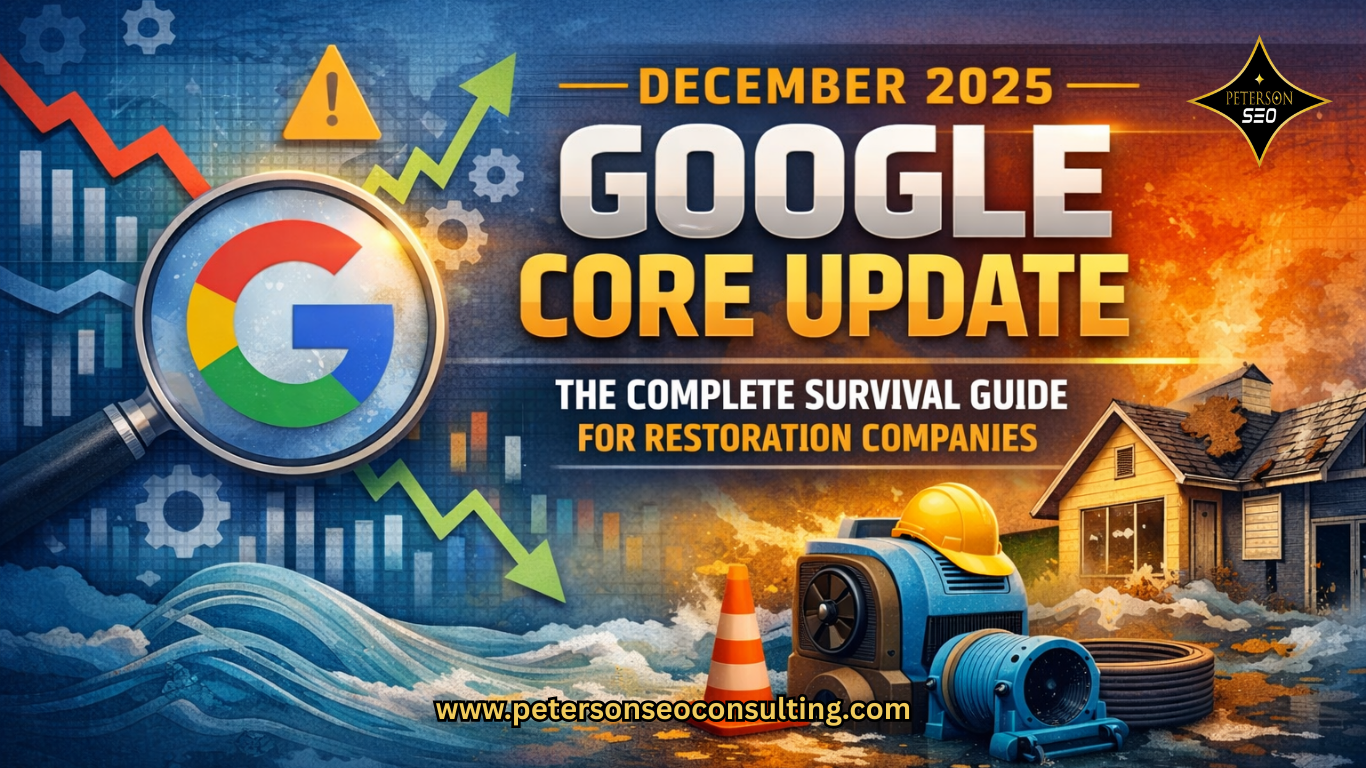
With restoration SEO optimized sites you are not paying for "extra pages." You are paying for the strategy that makes the phone ring. As we discussed in our breakdown of the December 2025 Core Update, search engines are actively devaluing sites that look like cheap templates. Investing in a real build is the only way to protect your digital future against competitors who are already doing this.
The "Specialty" Nuance: Water vs. Fire vs. Mold
Successful restoration sites treat each service line as a distinct business unit within the website. If your "SEO expert" treats them all the same, they do not know this industry.
Water Damage SEO
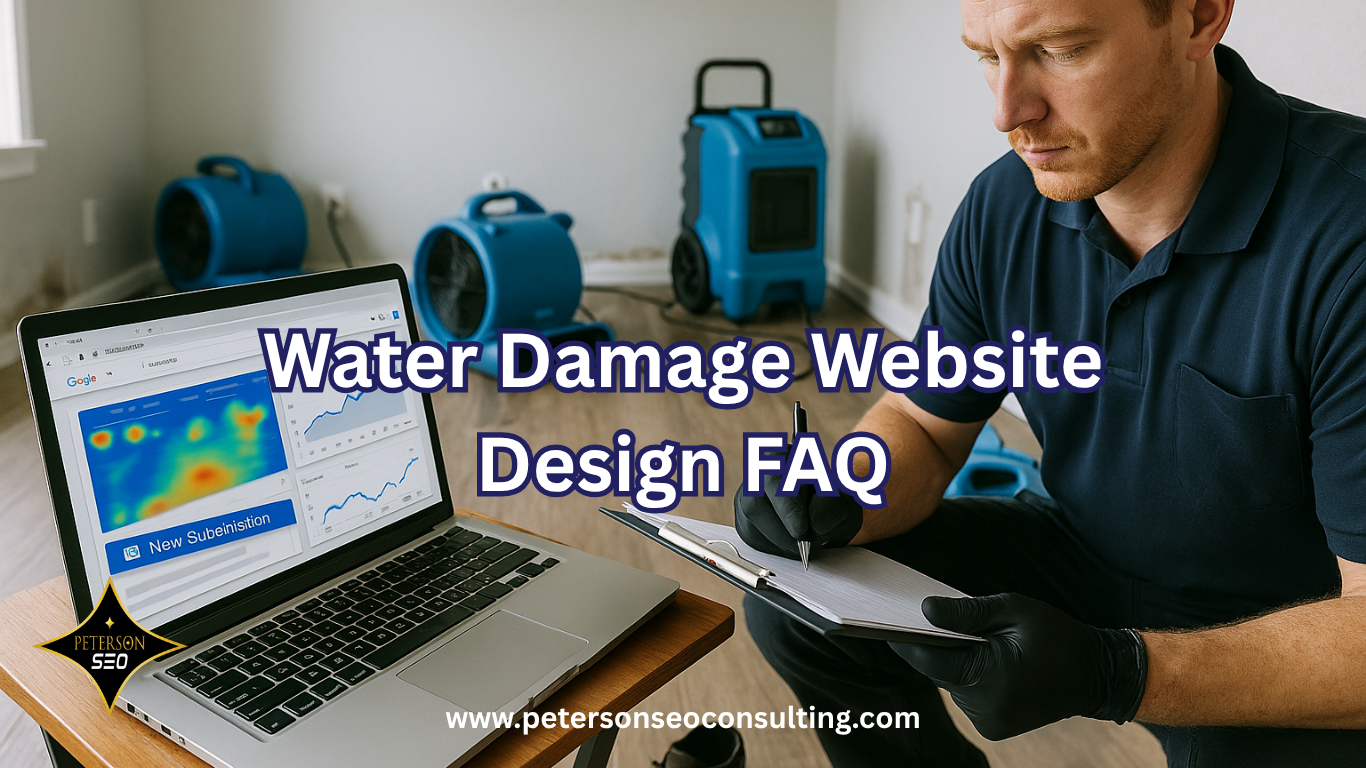
This wins on speed and process. The page must answer "What do I do right now?" and "Can you be here in an hour?" It needs to explain the drying process simply to lower anxiety. If the page is buried or reads like a textbook, the user leaves.
Fire Damage SEO
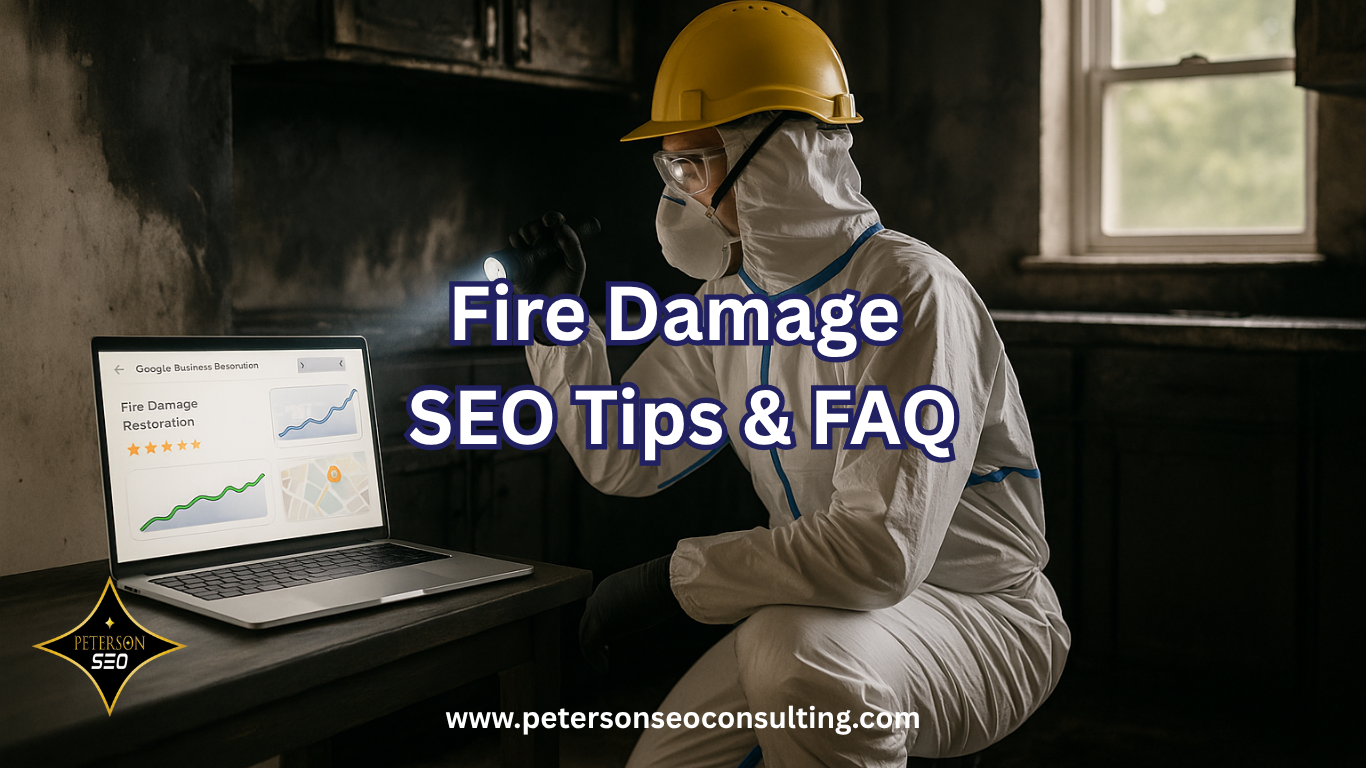
This wins on empathy and scope. The customer is dealing with trauma. The content must handle safety concerns, smoke odor, and content restoration with extreme care. This is a longer sales cycle than water, and the content needs to reflect that trust-building journey.
Mold Remediation SEO
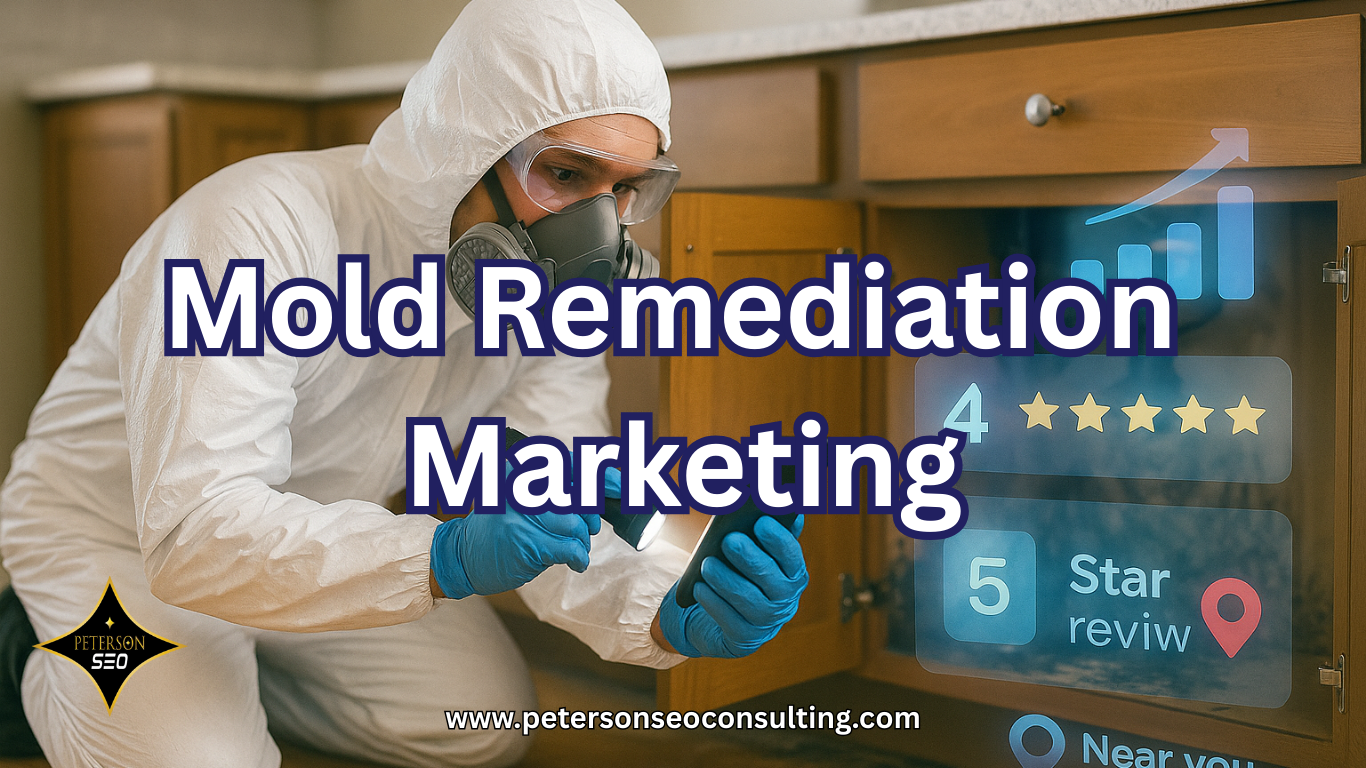
This wins on facts and authority. The customer is skeptical. They think mold is a scam. Your content must be educational, calm, and scientifically accurate to build trust. A generalist SEO often writes "scare tactic" copy that turns customers away.
When you build restoration websites correctly, you treat each core service like its own mini-universe with its own questions, pages, and proof. This is what we focus on when we discuss Water Damage Website Design principles. We design for the specific emotion of the user at the moment they need help.
Realistic Questions to Ask Before You Hire (The Truth Detector)
Most "questions to ask" guides give you fluffy questions that agencies can easily fake their way through. If you want to know if the person you are hiring is just a designer or a true SEO expert and if they actually understand the restoration niche, you need to ask these questions.
1. "How do you handle site migration and 301 redirects?"
- The Designer Answer: "Oh, we just launch the new site. Google will figure it out eventually."
- The Expert Answer: "We map every single URL from your old site to the relevant page on the new site using 301 redirects to preserve your history. However, you should know that even with perfect redirects, it is not uncommon for rankings to dip temporarily for a few weeks while Google indexes the new pages and processes the changes. We monitor this daily to ensure it bounces back stronger."
2. "Who owns the website and the analytics if we leave?"
- The Trap: Many agencies lease you a "proprietary" site. If you stop paying your site disappears.
- The Right Answer: "You own everything. The domain, the content, and the data are yours. We are partners, not landlords. If you leave, you take your asset with you."
3. "Do you use the same content strategy for water damage as you do for sewage cleanup?"
- The Trap: A generalist treats all water the same.
- The Right Answer: "Absolutely not. Water damage appeals to homeowners needing fast help. Sewage cleanup requires a completely different tone focused on health safety, hazmat protocols, and 'Category 3' water risks. If you treat sewage like a standard leak, you lose authority and trust."
4. "How do you determine which cities to build location pages for?"
- The Designer Answer: "We just pick the biggest cities near you and copy-paste the content."
- The Expert Answer: "We look at your actual service radius and identify high-intent suburbs where competition might be lower but call volume is high. We build unique content for those areas that references local landmarks or property types. We never just copy-paste because that creates 'doorway pages' that can get your site penalized."
5. "What defines a conversion in your monthly reports?"
- The Vanity Metric Answer: "A conversion is a click to your website or a 'contact us' page visit."
- The ROI Answer: "A conversion is a tracked phone call lasting over 60 seconds or a completed form submission. Clicks don't pay your bills. We track qualified leads."
FAQs About Website Design vs SEO for Restoration Websites
Can a website designer do SEO too?
Sometimes, yes, but you should not assume it. A designer can be excellent at layout, branding, and user experience, and still not be trained in restoration SEO strategy. SEO requires keyword and intent research, content planning, technical setup, and ongoing improvements based on data. Search documentation confirms that "search-friendly" content is required for algorithms to understand your pages and connect them with relevant users (Google for Developers). That is a different skill set than design. If they cannot explain the difference between a 301 redirect and a 404 error, they are likely just a designer.
Why does my new website not rank after launch?
A new website often does not rank because ranking is earned, not turned on. Launching a site does not automatically create authority, local trust, or topical depth. If the build did not include SEO foundations, search engines may not understand what you do well enough to rank you for competitive searches. Even when the basics are present, it can take time for pages to be crawled, evaluated, and trusted compared to established competitors. It is also important to note that it is not uncommon for rankings to dip temporarily until the new pages index. If search engines have trouble understanding your page structure, you may miss out on traffic. Furthermore, if your site targets national keywords instead of local ones, you might rank for terms that bring zero business.
What pages should a restoration SEO website include?
At a minimum, a restoration SEO-focused site needs strong core service pages and a clear local footprint. Water damage, fire damage, and mold should each have their own deep, detailed pages. Supporting content should answer common questions that show up in calls, like what to do first, how long drying takes, and how documentation works. This helps build authority and can also earn visibility for "People Also Ask" style queries. You also need location pages that actually help local searchers. Reviews and trust also matter because many consumers use search engines to find local business reviews and compare before calling (BrightLocal).
Is water damage SEO different from general contractor SEO?
Yes. Water damage searches are urgent and emotional. People want immediate next steps. A general contractor search is often slower, and the customer may compare options over weeks. Water damage SEO usually benefits from strong process explanation, clear emergency intent writing, and supporting content that answers first-hour questions. If you treat it like a generic contractor service page, you often get a page that sounds fine but does not match the urgency of the searcher. A generalist SEO expert will miss these psychological triggers, resulting in a site that gets traffic but no calls.
How do I know if an agency really understands restoration SEO?
Look for specificity. A real restoration SEO expert will talk about separating water, fire, and mold strategies. They will talk about intent, call conversion, local proof, and content depth. They will also talk about technical foundations and measurement because SEO is not guesswork. Official guidelines make it clear that search-friendly content helps algorithms understand your pages and bring relevant users. If they treat restoration the same as every other business, or if they focus on "vanity metrics" like national traffic volume instead of local leads, they will usually miss what makes this industry work.
Stop Guessing and Start Ranking
If you are a restoration company anywhere in the United States and you are deciding between a website redesign and a true SEO build, we can help you make the right call before you spend the money. Peterson SEO builds restoration websites that are designed to look professional and built to earn visibility for real emergency searches. We understand that you do not need more traffic. You need the right traffic. We build separate strategies for water damage SEO, fire, and mold because they are not the same buyer intent. That difference is often where the wins come from.
If you have questions, give us a call at 530-296-6990 or request a free website audit. We will tell you if your site is built like a brochure or built like a lead engine. We will also show you what to fix first so you can get more of the right calls without guessing.
AUTHOR
Jessica is the CEO of Peterson SEO which specializes in restoration and contractor marketing. She is a serial entrepreneur that has not only owned and managed her own businesses and remodeling company, but also helps contractors scale their businesses to new levels. Learn more about Jessica & Peterson SEO.
Request Your FREE Consultation.